This work developed over the last five years of my grandmother’s life, a period during which she gradually lost her autonomy due to Alzheimer’s disease. During her final year, we lived together in the same house, alongside my mother, her primary caregiver. We shared the routines of everyday life, including her care.
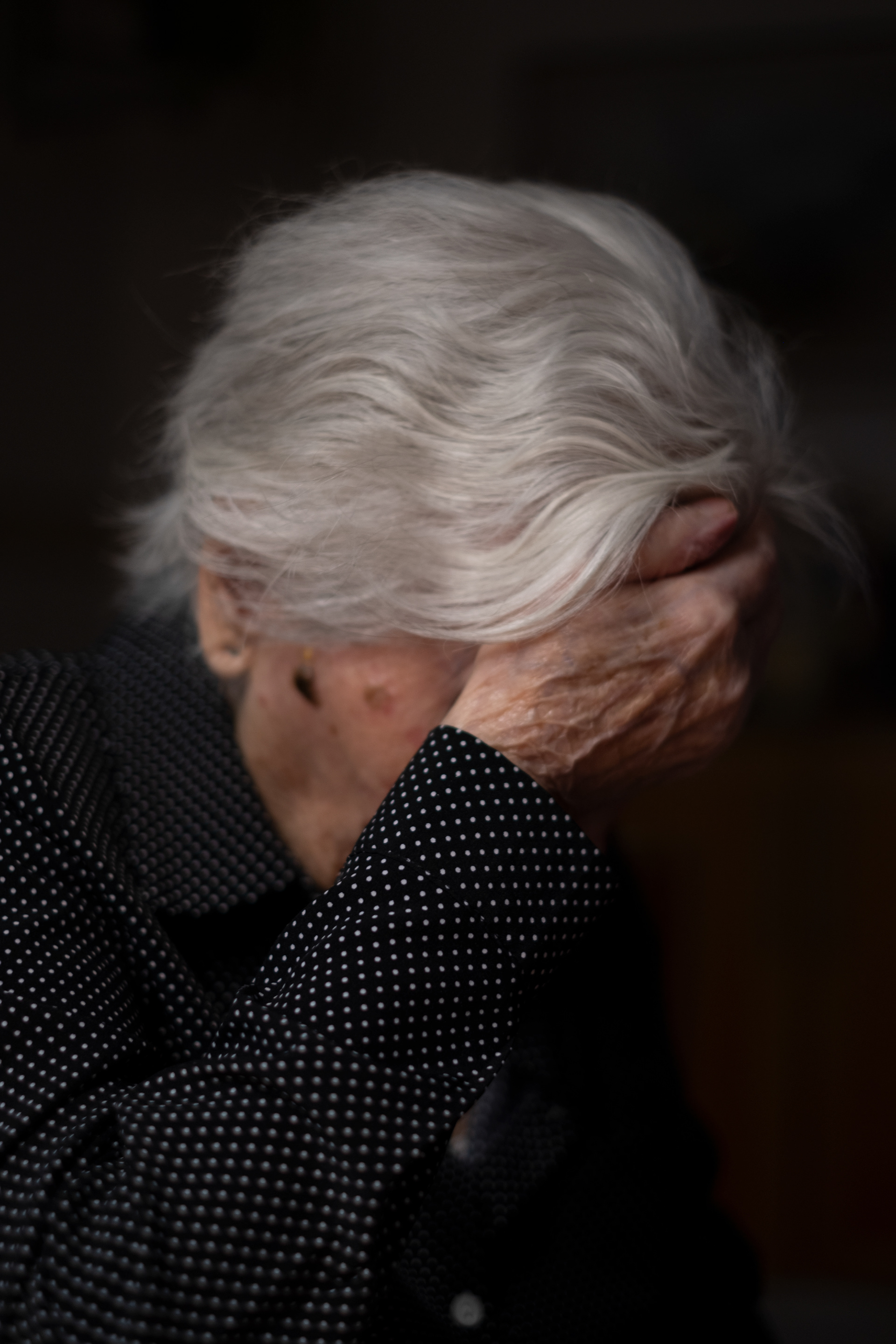
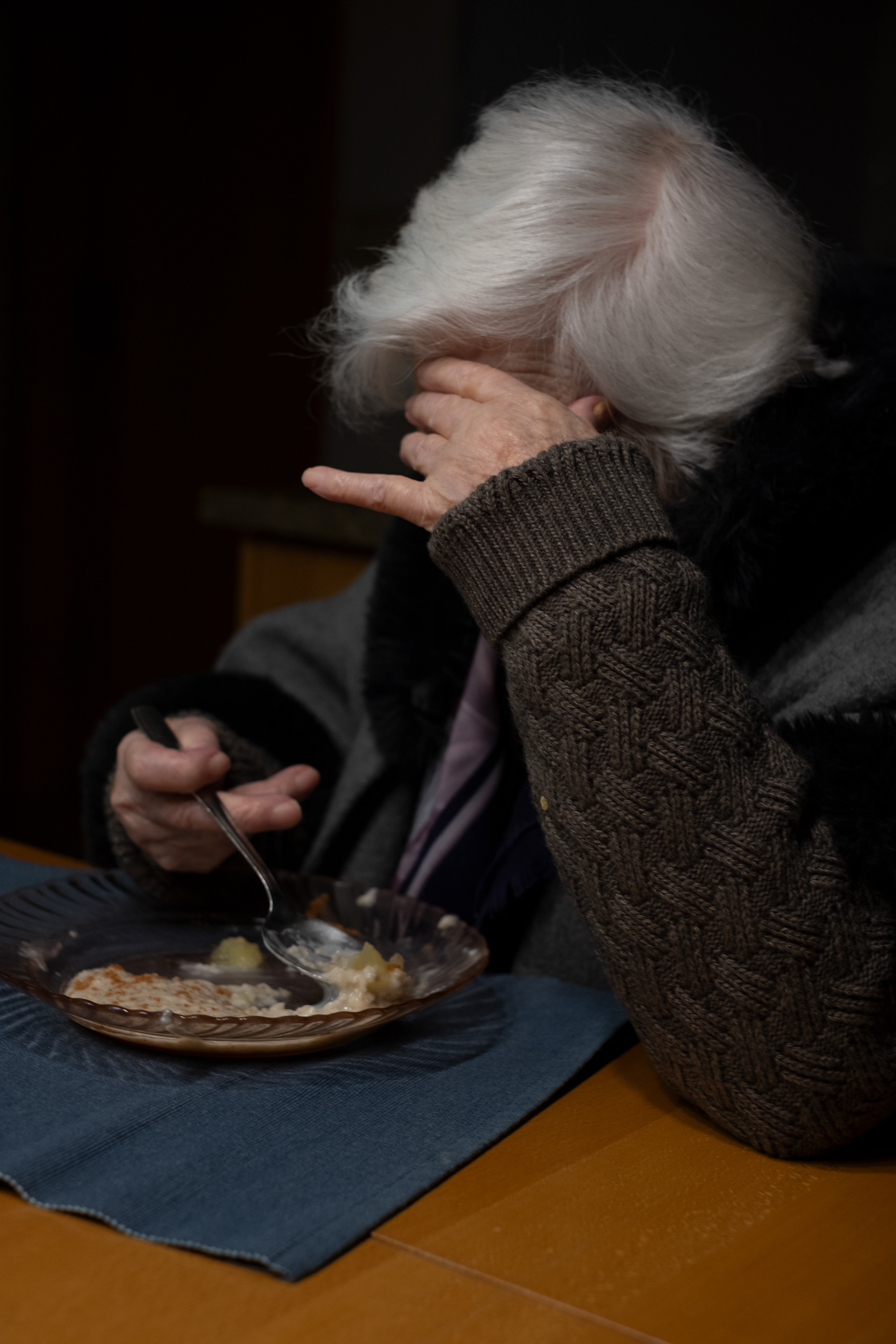
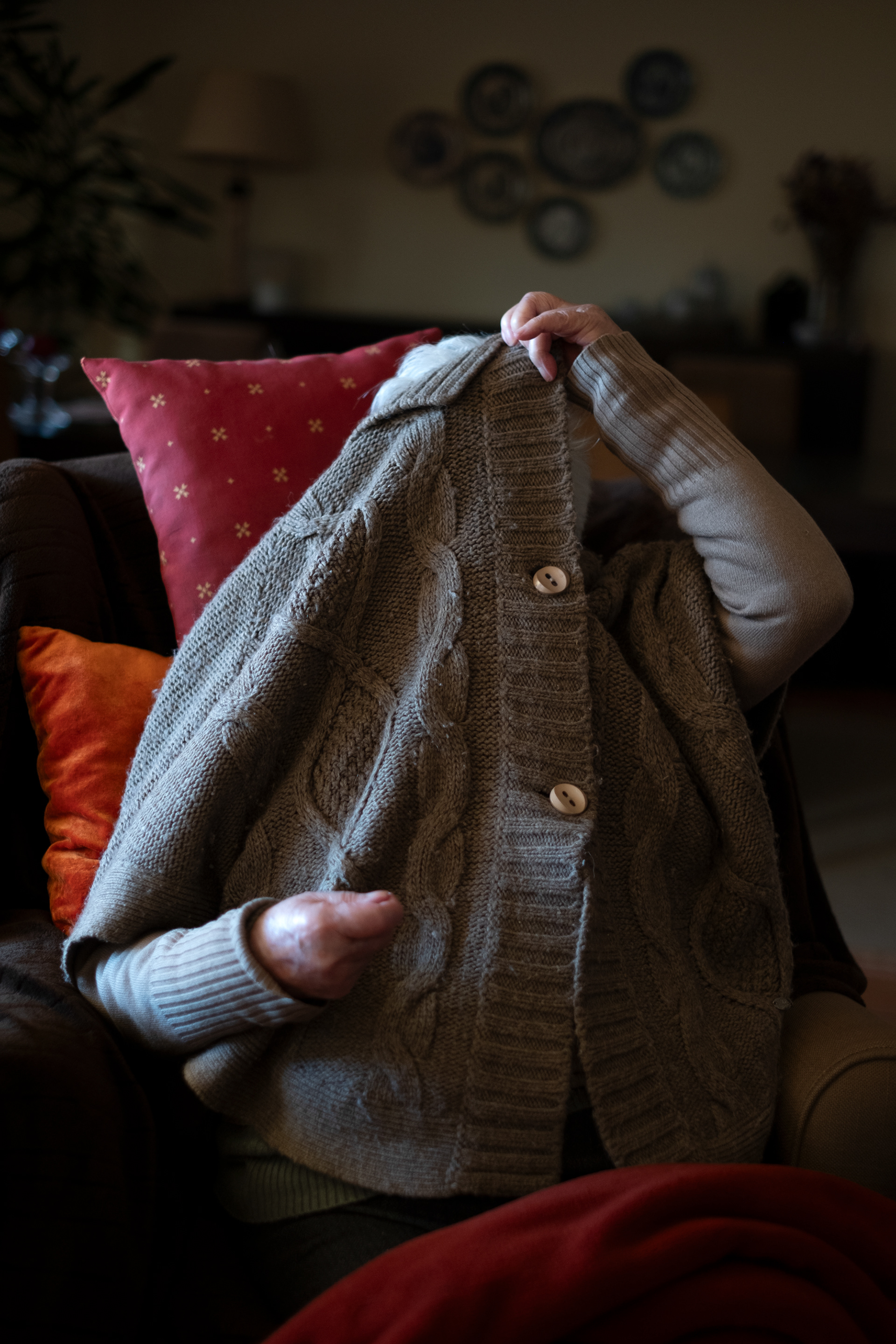
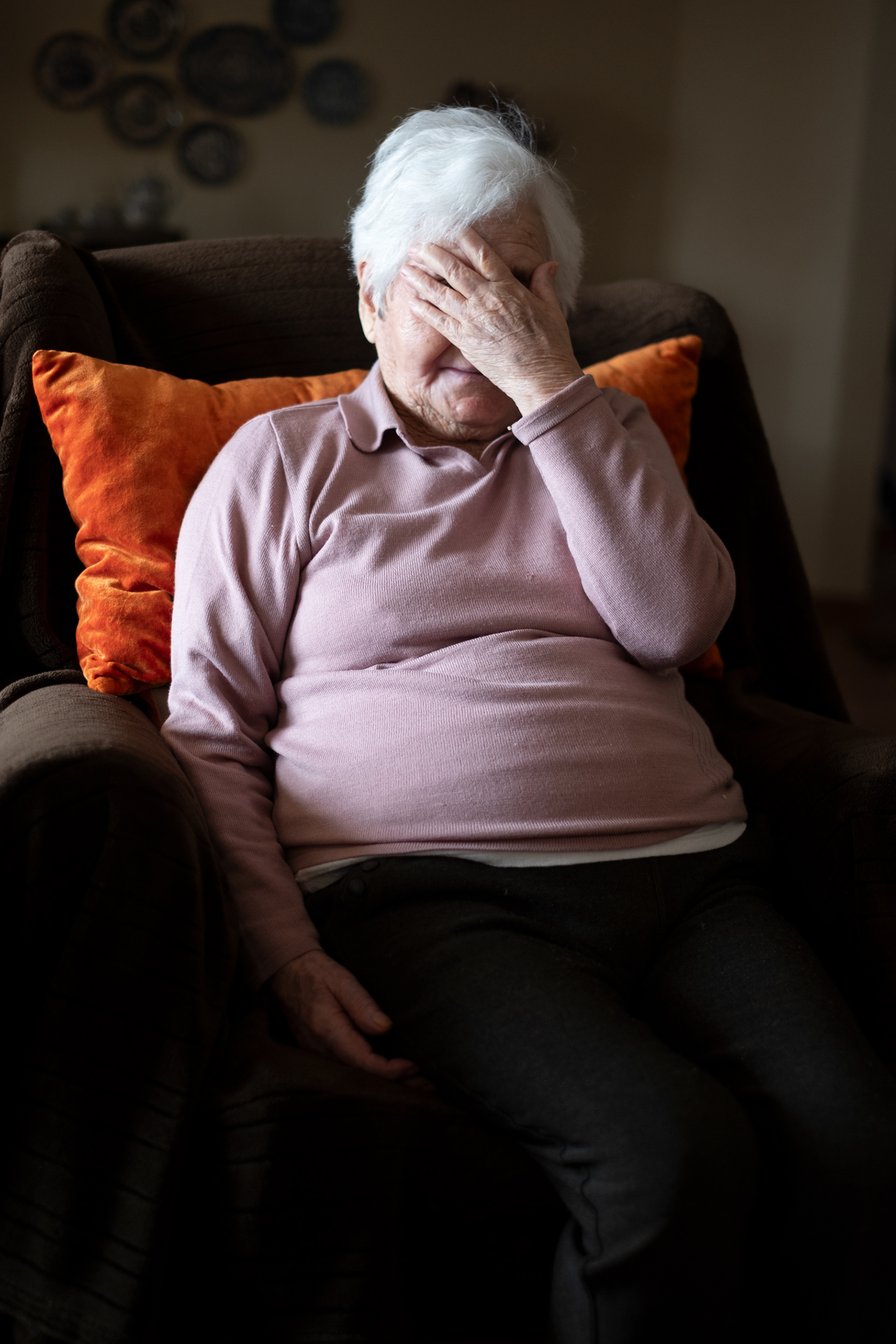
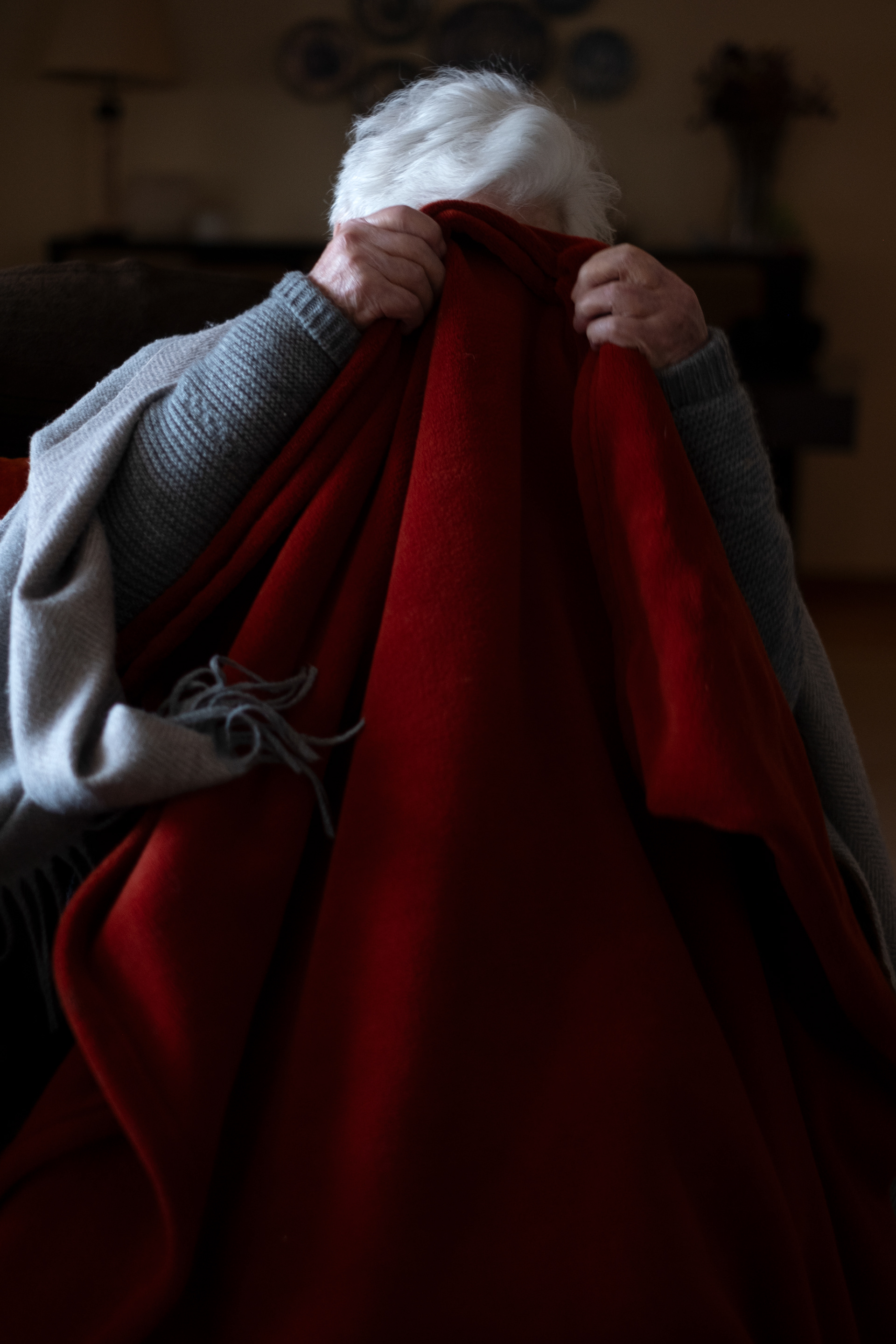
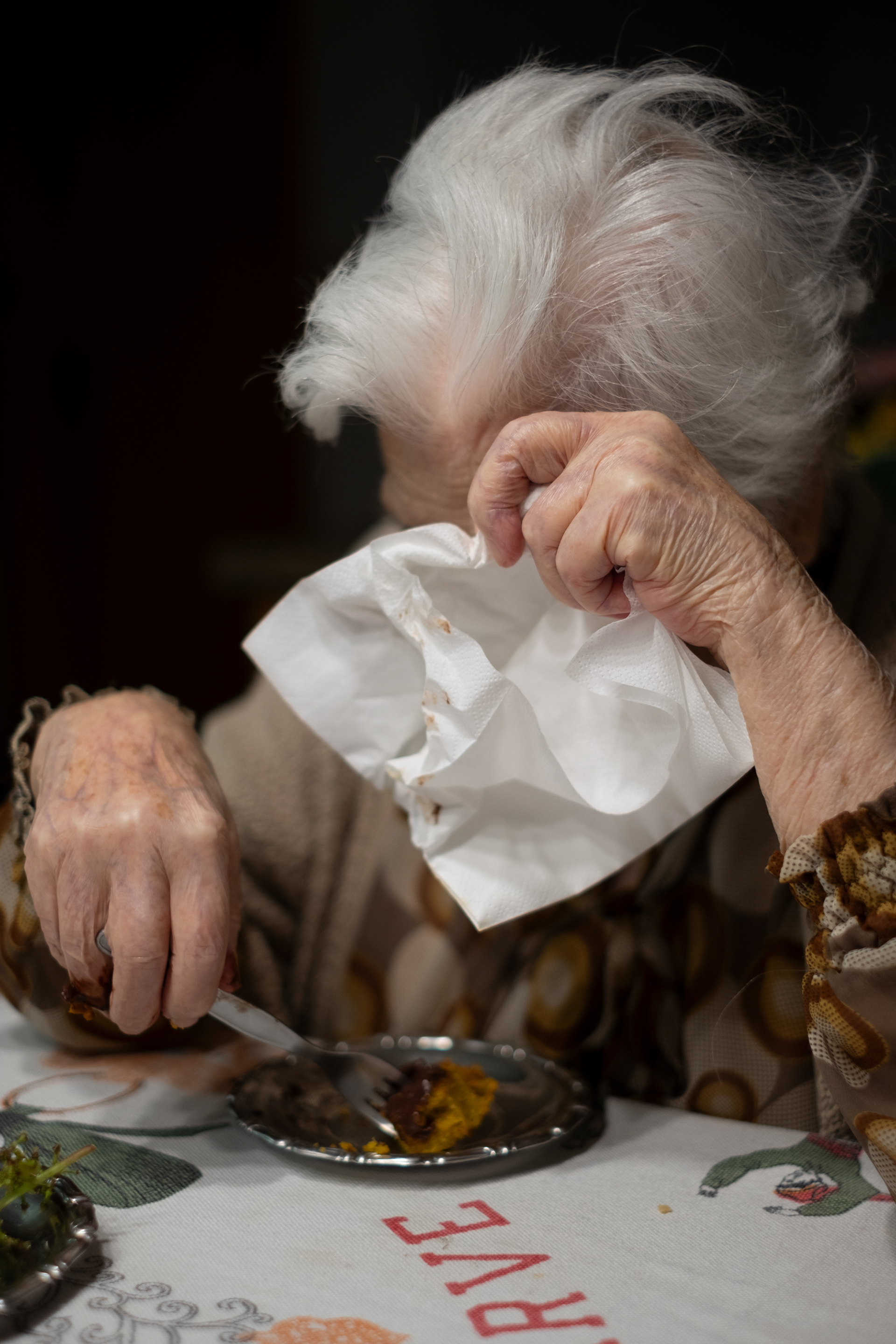
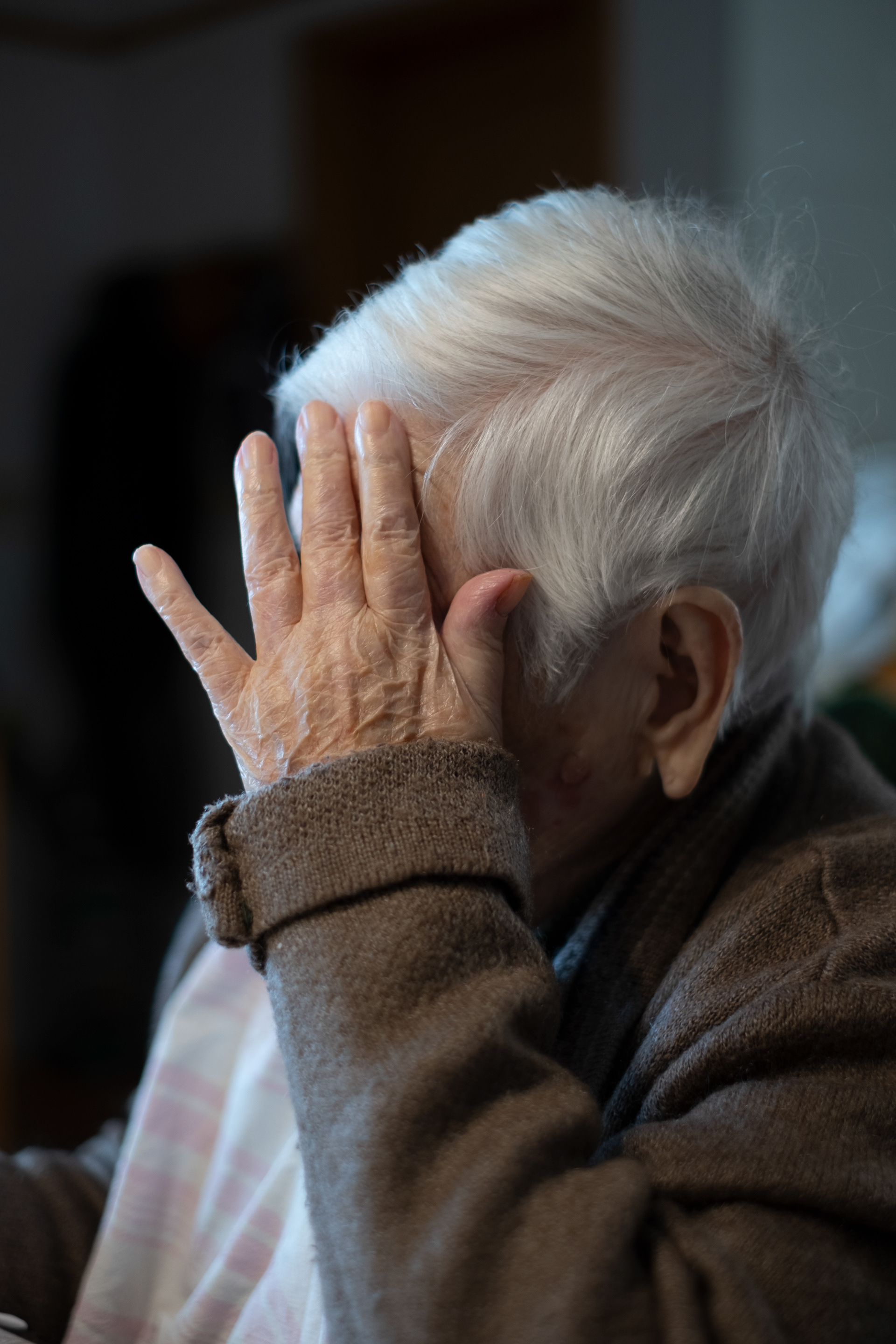
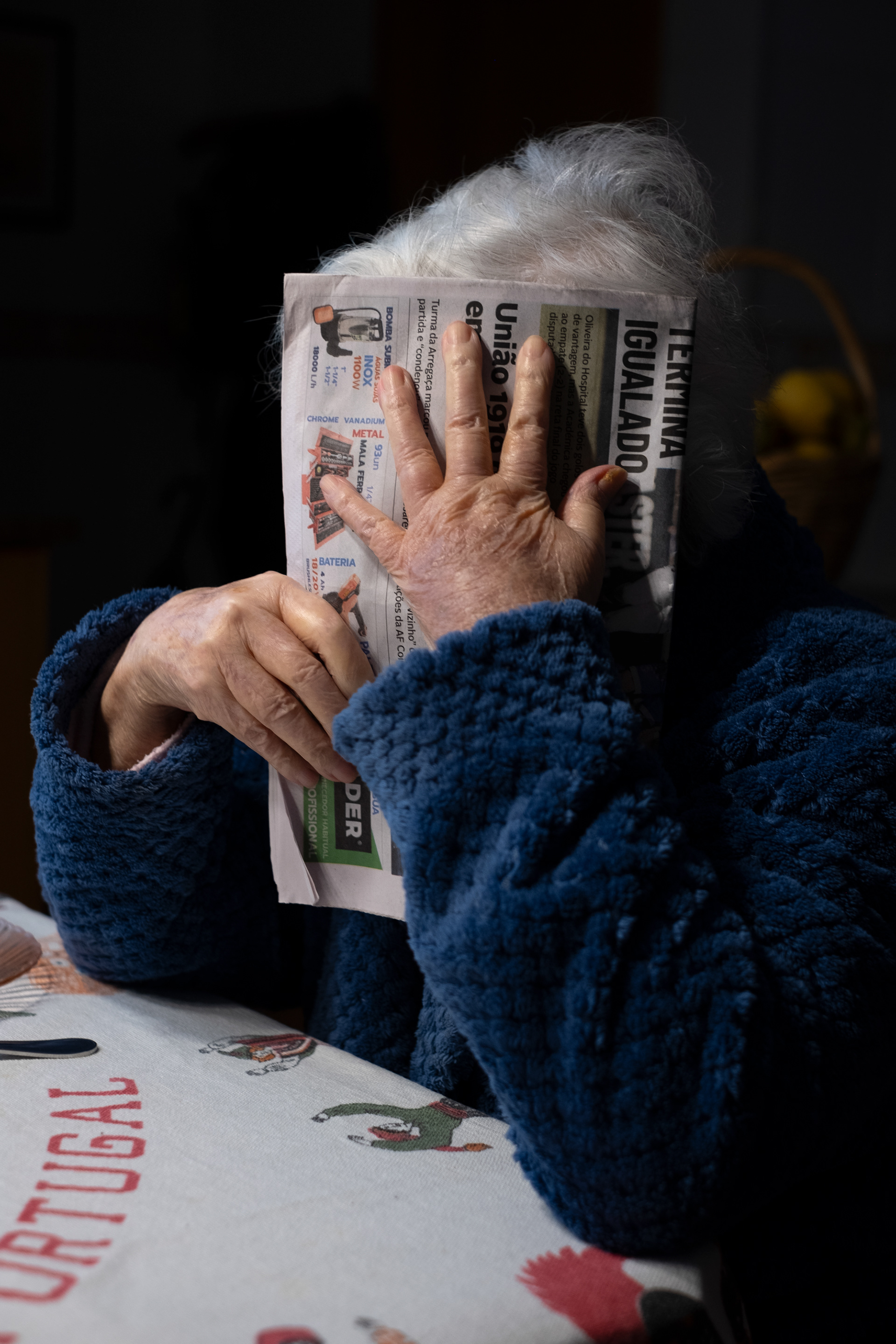
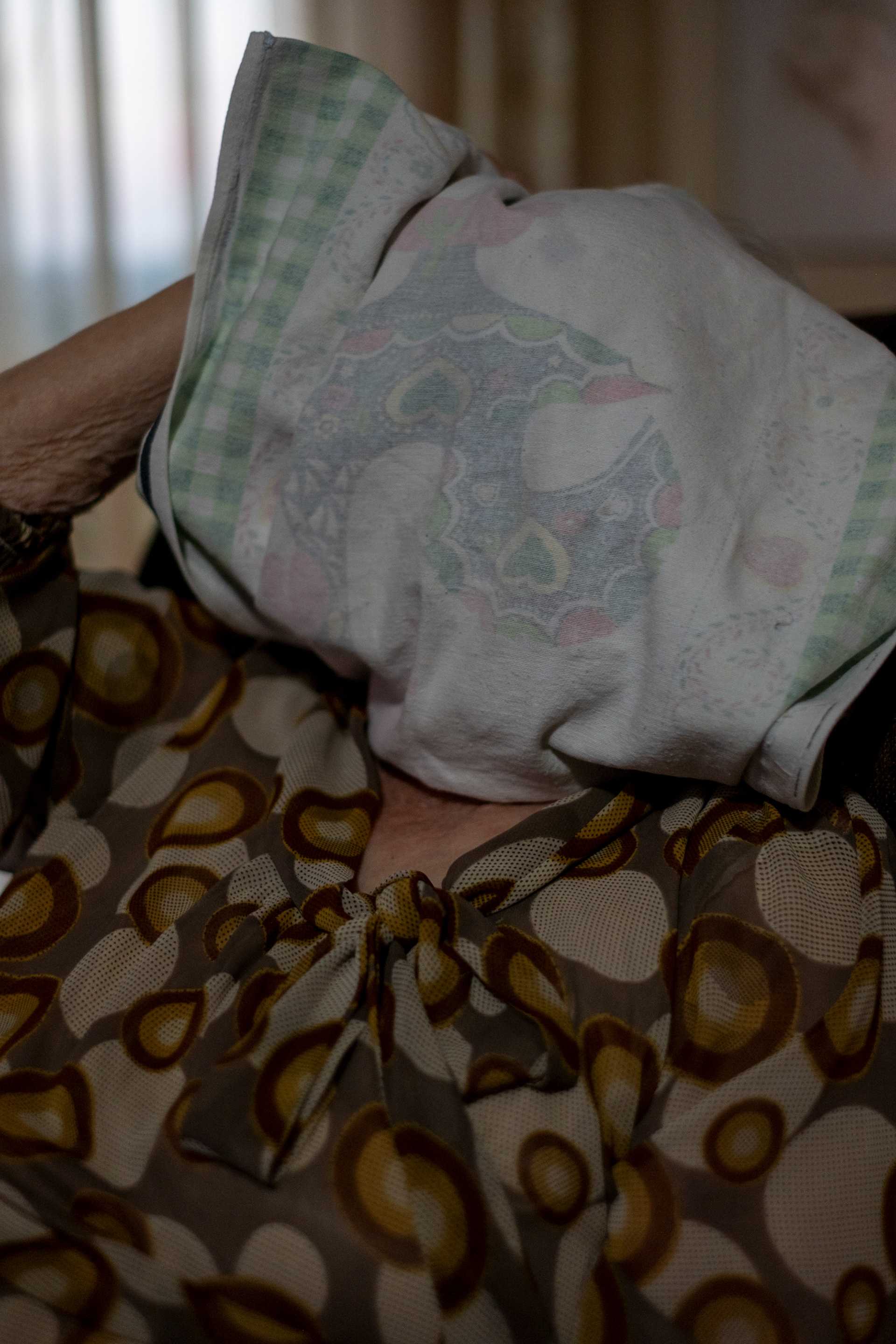
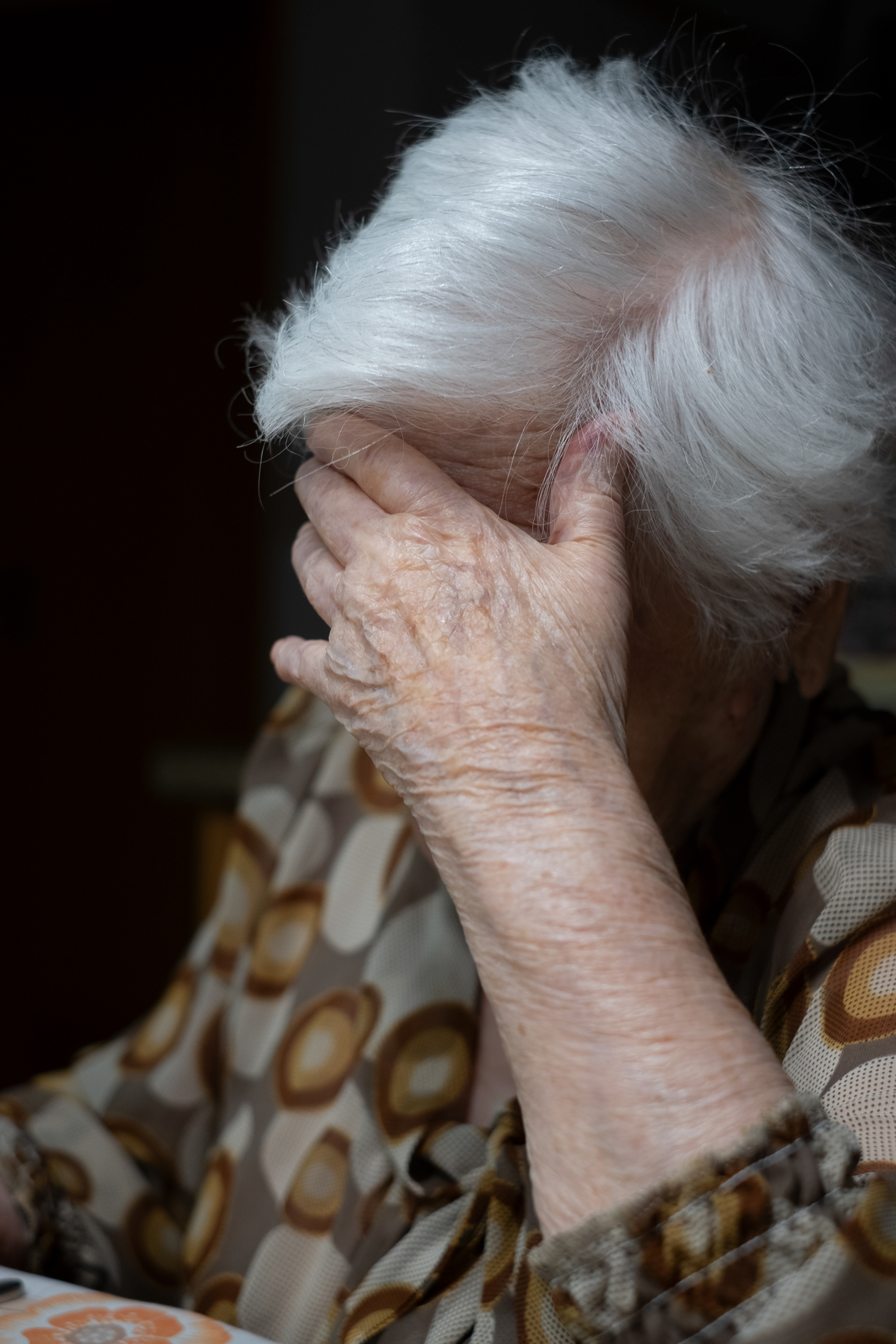
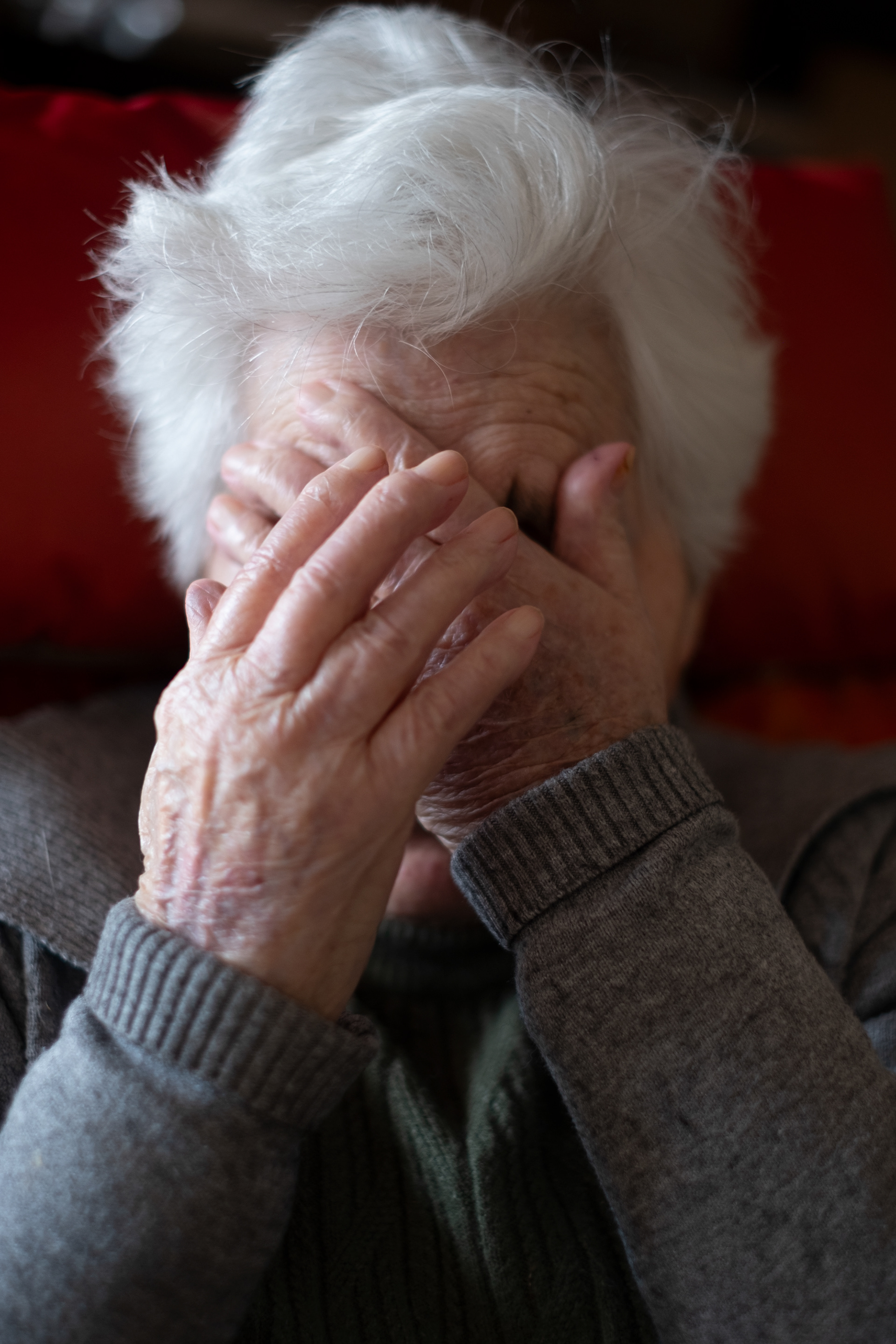
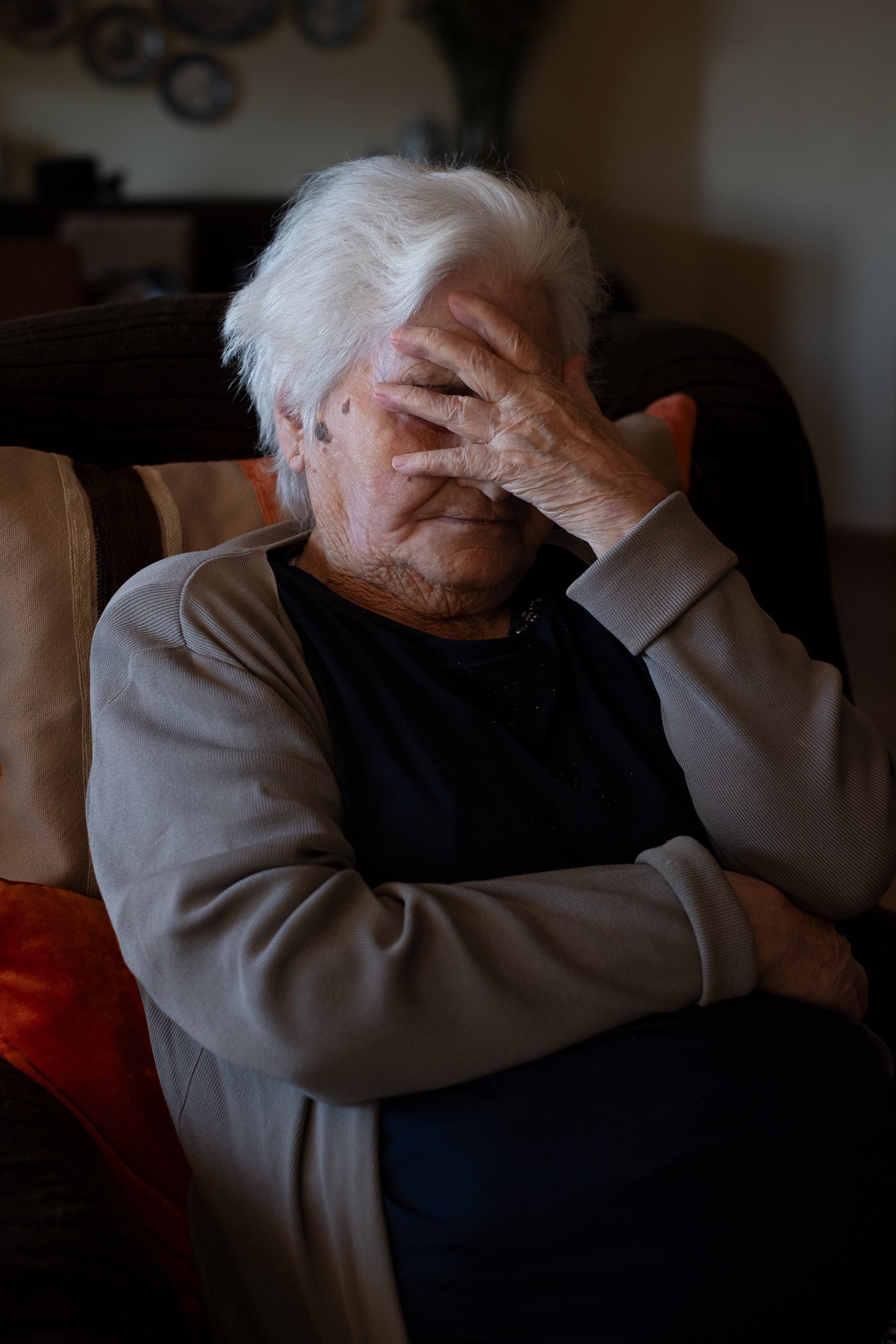
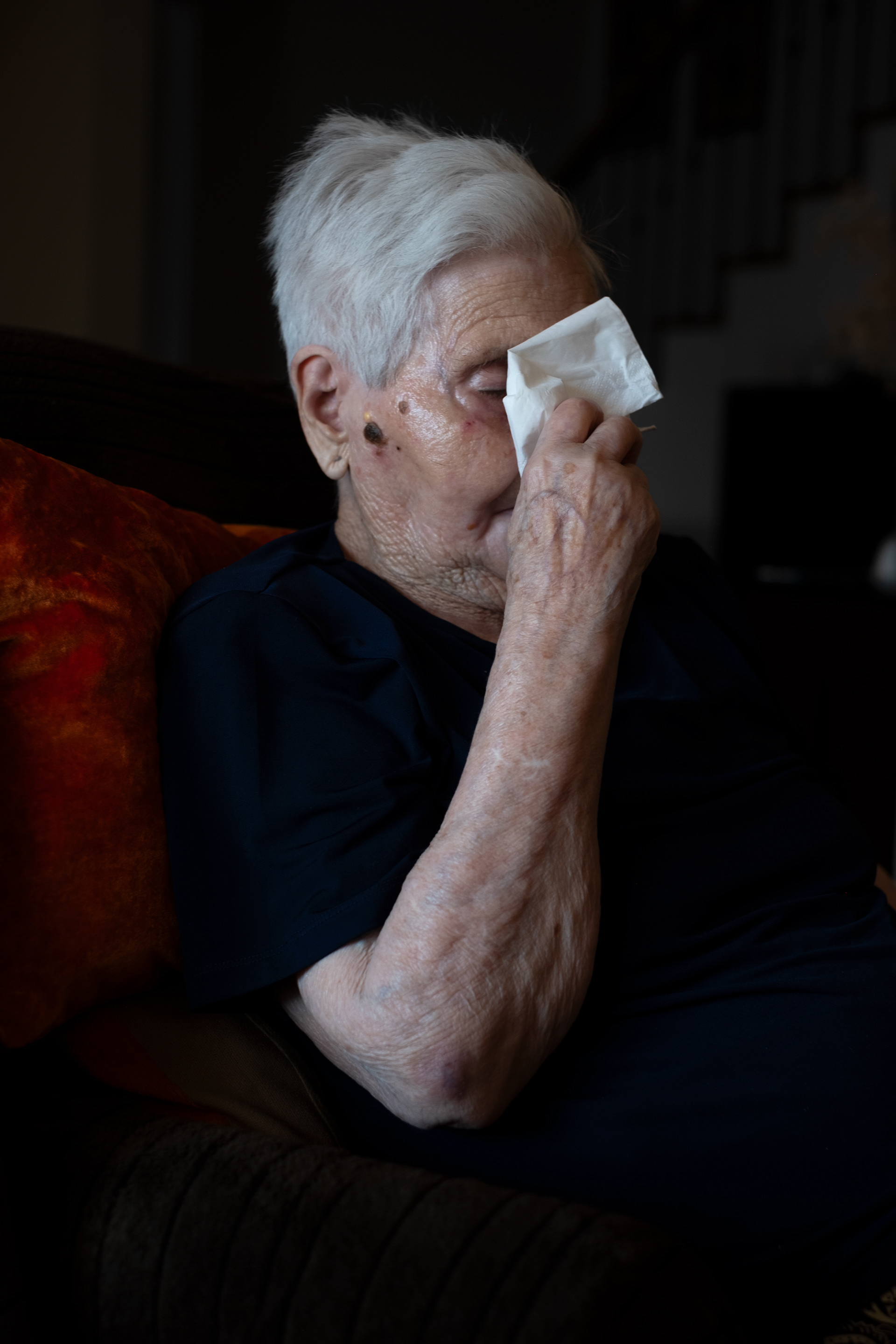
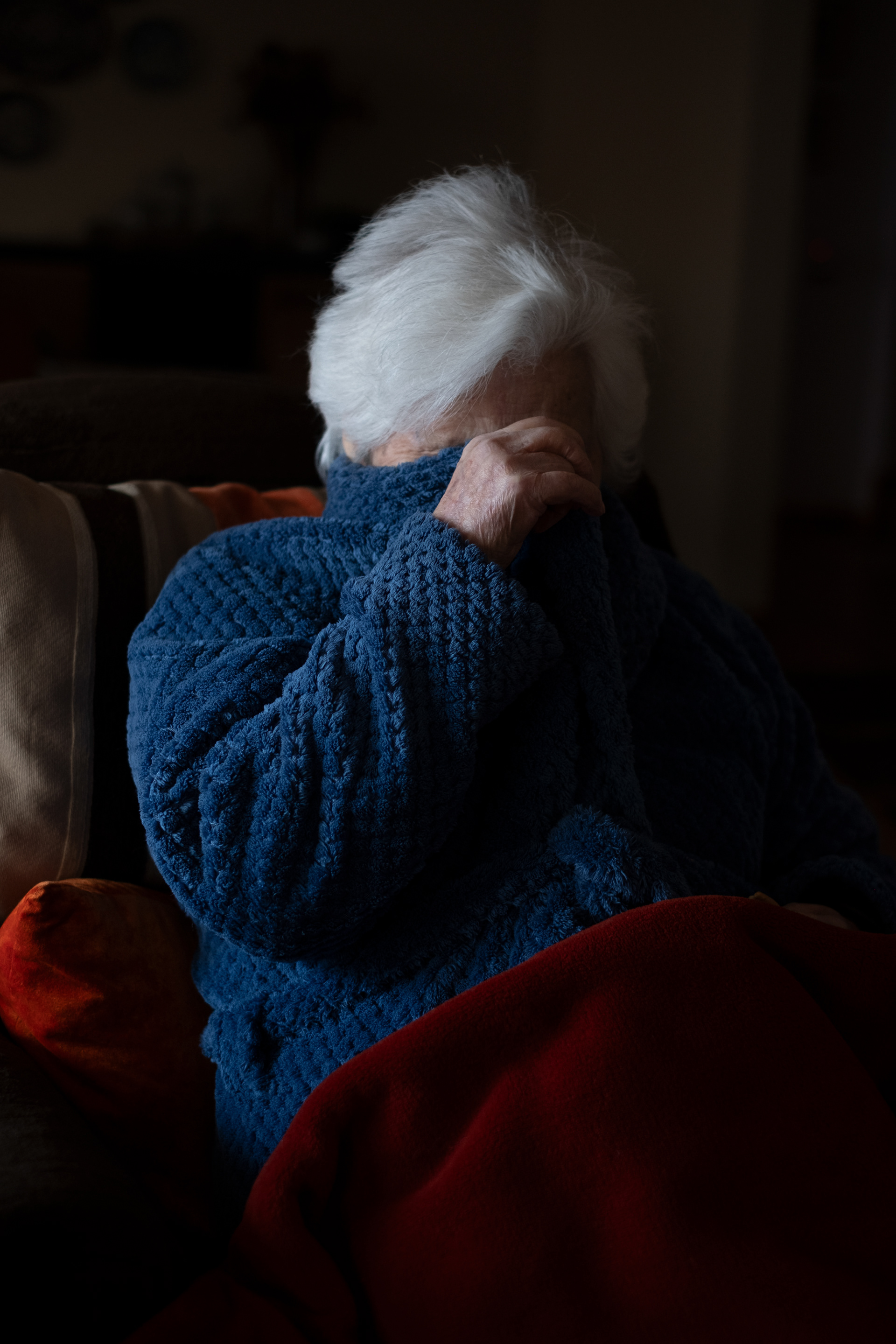
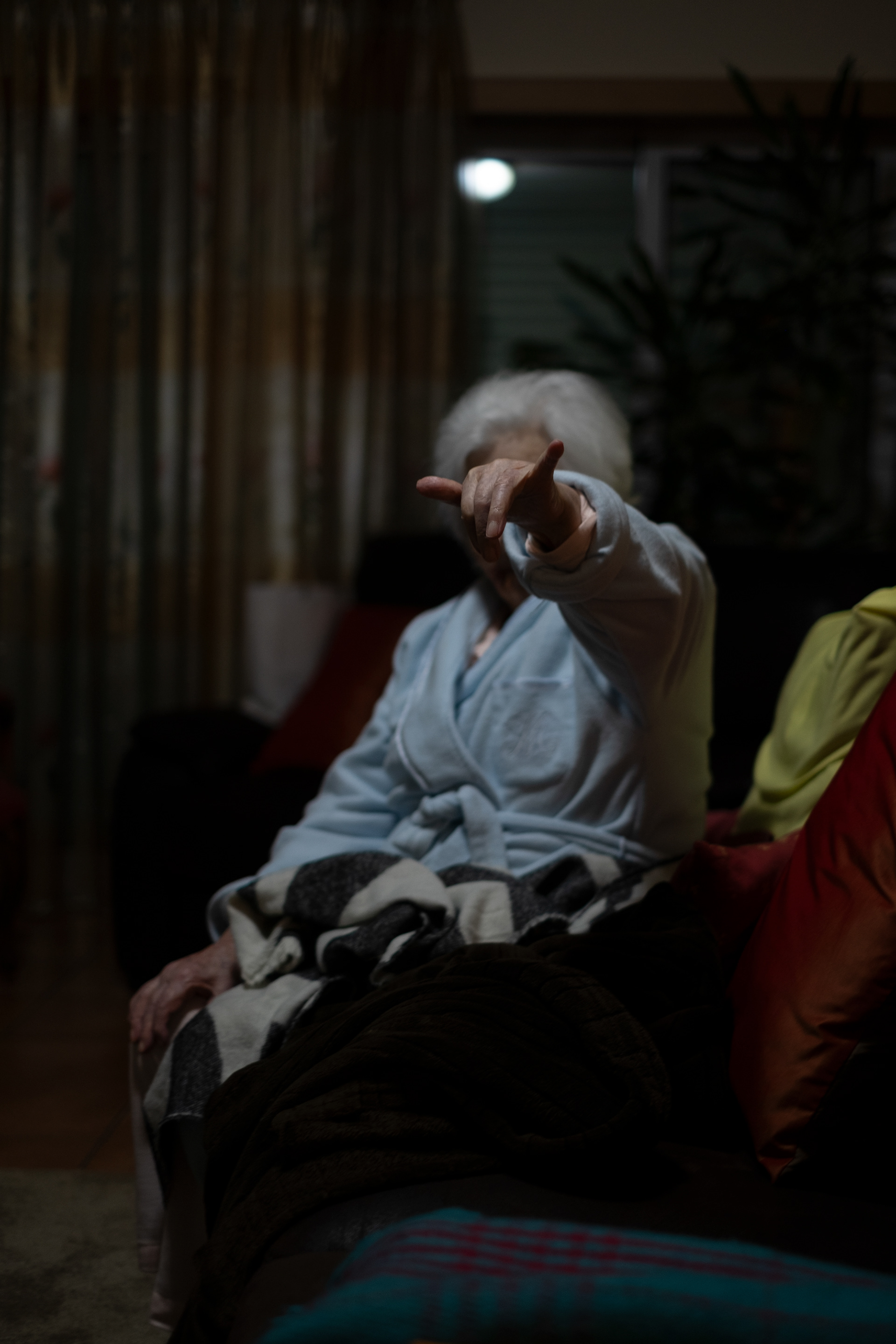
I began to play with my grandmother. We spoke in circular conversations. When she was in good spirits, I photographed her. Sometimes I asked for permission; other times, I simply made my intention clear. The response came in different forms, but it was always negative.
Was she ashamed of old age? I don’t know. I never will. But I do know that, in those final years — when her memory was severely impaired — she never forgot that she did not want to be photographed. Her consistent not wanting meant she was there. Her non-portraits were then the closest to what I could grasp of her.
The title of this project, "desculpa", translates literally as “sorry,” though the English word does not fully convey its meaning. Etymologically, *des-culpa* suggests the release or forgiveness of guilt — in this case, my own, of making and showing these photographs in an attempt to honour my grandmother.
The photographs below are part of a larger body of work.
Scroll down to read "Anti-Portraits: Sofia Pratas Morais" by Photographer and Professor Mark Durden, and an introductory text by Der Greif.
Ways of Seeing
Inspired by John Berger, this section brings together writings by other authors.
Anti-Portraits: Sofia Pratas Morais by Photographer and Professor Mark Durden
These are both portraits and not portraits, this is both photography and anti-photography. The opposition or contradiction is important and a key to understanding what is going on in this remarkable work. Portraiture concentrates us on the face of the subject. Photographs of other people’s faces get to the essence of photography, in that it is a medium that can capture fleeting expressions. The face is a variable surface, which we can in certain situations, often intimate, look at very closely. The camera is a mechanical instrument yet film and its digital equivalent is a receptive surface, registering subtle and momentary shifts and signals from faces.
Faces are not always open. They can be guarded, blank. But faces can also be seen as sites of performances. These pictures show a performance towards the camera. The subject does not want to be photographed and resists the camera through hiding her face. The photographs are varied in terms of how the action is performed, with hands covering the face, but also more playfully, using things to hand, a napkin, a blanket, a newspaper, even a biscuit: everyday details that help define and particularise the occasions and context in which the attempt to take her photograph is made. In one picture the subject’s hand does not cover her face but with arm extended, and her hand clenched except for a raised little finger and thumb, affirmatively gestures back to the photographer, a conscious action that could be interpreted as a warding off of evil.
The pictures are all made by a granddaughter of her grandmother. These are then family photographs. And yet they disturb the family relationship because the grandmother does not want to be pictured. It is a simple rudimentary act of denial, an assertion against the camera. But it raises ethical anxieties. Is this not cruel? Familiarity, kinship is disturbed.
The person in these pictures suffers from Alzheimer’s. This information makes a difference to how we think about them and how we view them. The illness ravages intimate and familial expectations, a forgetting and absenting of self, which certainly became evident from my experience of my mother’s dementia. While my mother’s illness was such she did not forget who I was, there were those moments when she would look back at me as if she was trying to process something. It felt as if the channel of communication was on the blink, she was not fully there, the signal and spark had gone. But then she was back and the face was once again responsive.
Of course, the gestures here are strong, an assertion of desire, will, they are expressive. But her hiding her face, at the same time speaks about her absence, her non-presence. And that absence, for me, irredeemably speaks of that awful illness: those fearful and painful disruptions in the tender and intimate connections and understandings that both shape and are integral to loving family bonds. These pictures are then awkward. Awkward because the gestures they show us denaturalise the expected convention, the tradition, the ritual in which the portrait is made. She is not performing to camera as expected. A social convention and ritual is no longer followed. The grandmother had a rural upbringing in Portugal. For her photography would have been associated with special occasions and a formal Sunday Best look. To be photographed in everyday situations and with her granddaughter behind the camera would seem very odd and strange to her.
The only person in my family who hides her face is my daughter, when she does not feel she will look good in the image, when she does not feel she is made-up for camera. Image is all for the young. Here we are in a very different stage of life, her final years. But perhaps the motivation could also be about how she looks and a desire to not have her aged face pictured. We do not know. But what is clear, is that it is a refusal. And she is not passive before the camera. Sofia wants to honour her grandmother through these portraits. But she does so by resisting sentiment and sweetness that can all too easily characterise family portraits. What is powerful with these portraits is the way they show how the performance registers the way illness eats away at affective ties, and in which a gesture of denial becomes precious and powerful as it is willed and conscious, paradoxically a marker of her very presence as she disallows her granddaughter and us to see her face, again and again and again. Here the repetition of this very gesture in each photograph amplifies it, gives it strength and gives her strength.
IntroductION by Der Greif
Questions of visibility, care, and consent are central to Sofia Pratas Morais’ project "desculpa." Created during the final years of her grandmother’s life with Alzheimer's disease, the series consists of photographs in which the artist's grandmother repeatedly refuses the camera. Rather than treating this refusal as an obstacle, Morais understands it as a powerful assertion of presence and agency. The resulting images challenge conventional expectations of portraiture and representation, exploring how illness reshapes relationships while raising important ethical questions about photography, memory, and the desire to hold onto those we love.
-- This text is published in context of Inner Landscapes online exhibition by Der Greif editorial team (link)